
Exterior Signage Materials: Weather-Resistant Options That Last
SignHop helps you get free quotes from vetted sign shops in your area.
Will your new business sign survive next year's hurricane season?
Exterior signage faces constant assault from sun, rain, wind, and temperature swings. Choosing the right materials means the difference between a sign that looks professional for seven years and one that fades or warps within months, and SignHop.com connects you with vetted shops that use materials built to last.
What Makes Exterior Signage Materials Weather-Resistant?
Weather resistance comes down to three factors: UV stability, moisture resistance, and structural integrity under wind loads. Materials rated for outdoor use contain UV inhibitors that prevent fading and brittleness from sun exposure. They resist water absorption that causes warping, delamination, or rust, and they maintain dimensional stability through temperature changes from 20°F to 120°F common in many climates.
Top Weather-Resistant Materials for Business Signs
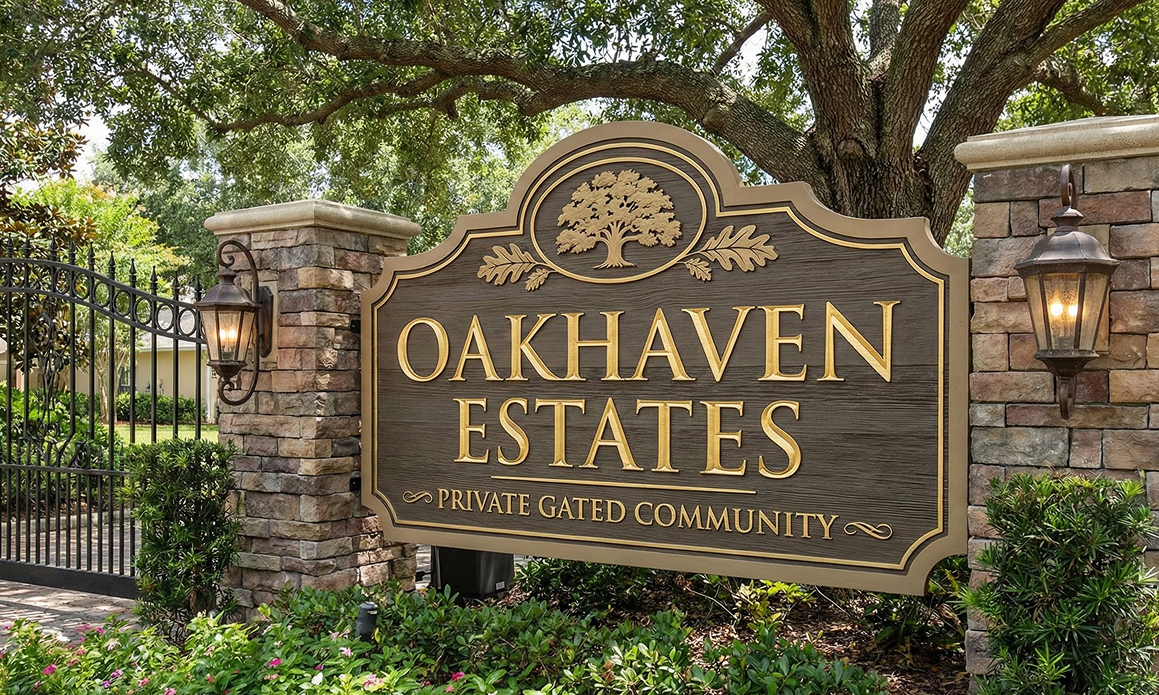
Aluminum composite panels (ACM) top the list for channel letters and cabinet signs because they're lightweight yet rigid, with a factory-applied finish that resists fading for 7-10 years. High-density urethane (HDU) offers the carved look of wood without rot or insect damage, making it ideal for dimensional letters and decorative elements. Marine-grade stainless steel works for coastal locations where salt spray corrodes lesser metals, though it costs 40-60% more than aluminum.
Acrylic maintains clarity better than polycarbonate for illuminated signs, resisting yellowing and scratching while handling impacts that would shatter glass. Cast acrylic outlasts extruded versions, with thickness of 1/4" minimum for letters under 24" and 3/8" for larger installations. For storefront signage in harsh climates, specification matters as much as material choice.
How Long Should Quality Exterior Signs Last?
Properly fabricated aluminum signs should maintain appearance for 7-10 years before requiring refinishing. HDU signs last 10-15 years with periodic repainting every 5-7 years depending on sun exposure. Vinyl graphics on rigid substrates need replacement every 5-7 years as adhesive degrades and colors fade, while direct-printed aluminum lasts longer because ink bonds to the substrate.
Digital prints on inferior materials might look vibrant initially but can fade within 18-24 months if using dye-based inks without UV protection. This explains why choosing the right sign company matters—experienced fabricators specify materials that match your environment and budget for long-term value.
Regional Climate Considerations for Sign Materials
Florida businesses face different challenges than those in Arizona or Maine. Coastal locations need corrosion-resistant fasteners (stainless steel, not zinc-plated) and sealed edges on aluminum to prevent salt intrusion. Desert climates demand materials with higher UV ratings and expansion joints for extreme temperature swings.
Areas with frequent storms require engineering calculations for wind loads, often resulting in thicker substrates or additional mounting points. Hurricane-resistant signage in places like Boynton Beach incorporates breakaway features or reinforced mounting that meets local building codes while protecting your investment.
Cost Versus Longevity: Making Smart Material Choices
Premium materials cost 30-50% more upfront but deliver lower total cost of ownership when you factor replacement frequency. A $2,500 aluminum sign lasting ten years costs $250 annually, while a $1,200 vinyl banner lasting three years costs $400 annually. The math favors quality, especially for permanent storefront signage representing your brand 24/7.
Budget constraints sometimes necessitate phased approaches—installing a basic but durable sign now with plans to upgrade graphics or lighting later. This beats installing cheap materials that fail prematurely, forcing complete replacement. Vetted sign shops help you balance immediate costs against long-term performance based on your specific location and needs.
Installation and Maintenance Requirements
Weather-resistant materials only perform when properly installed with appropriate fasteners, sealants, and mounting systems. Aluminum signs need standoffs that prevent moisture from getting trapped against walls, causing corrosion or paint bubbles. Electrical components for illuminated signs require weatherproof enclosures and proper drainage.
Annual maintenance extends sign life significantly—inspect for loose fasteners, clean surfaces with appropriate solutions (never pressure washers on vinyl), and address minor issues before they become major problems. Most sign shops offer maintenance contracts covering these basics, and proper care can add 2-3 years to your sign's functional lifespan.
Getting Specifications Right From the Start
Professional sign shops provide material specifications including substrate type, thickness, finish, fastener grades, and expected lifespan based on your location. Review these specs and ask questions—a quality shop explains choices and offers alternatives at different price points. Red flags include vague descriptions like "high-quality materials" without specifics or reluctance to provide written warranties.
Weather-resistant exterior signage protects your marketing investment while maintaining the professional appearance that attracts customers year after year. SignHop.com connects you with experienced fabricators who specify appropriate materials for your climate and application, backed by transparent pricing and proven installation practices. Get started today to find vetted sign shops that build signs engineered to last.
SignHop helps you get free quotes from vetted sign shops in your area.