
Neon vs. LED: Choosing the Right Lighting for Your Boynton Beach Business Sign
SignHop helps you get free quotes from vetted sign shops in your area.
Choosing between neon and LED lighting can transform your business visibility and operating costs. Both illuminated sign options offer distinct advantages for Boynton Beach and Delray Beach storefronts, but LED technology has largely replaced traditional neon for most commercial applications. Understanding the differences helps you make the right investment for your brand. Whether you're opening a new restaurant on Atlantic Avenue or refreshing your retail storefront along Federal Highway, SignHop.com connects you with vetted sign shops that specialize in modern illuminated signage solutions.
Understanding Traditional Neon Signage
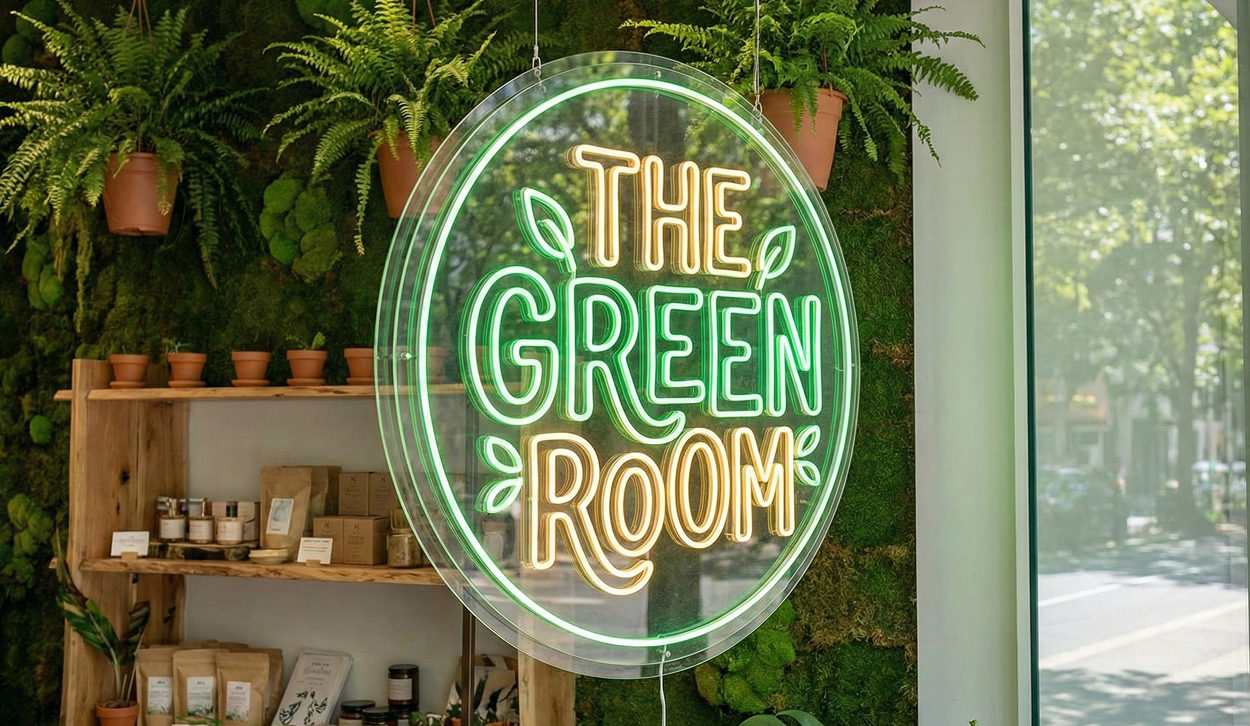
Traditional neon signs use glass tubes filled with neon or other noble gases that glow when electrified. These iconic signs create that classic, warm aesthetic many associate with vintage storefronts and retro branding. Neon signs require skilled craftsmen to bend and shape the glass tubes by hand, making each sign a unique piece of art.
For Boynton Beach businesses seeking a specific vintage or artistic look, traditional neon offers unmatched authenticity. However, the fragility of glass tubes makes them vulnerable to South Florida's hurricane season and requires specialized repair when damaged. Traditional neon also consumes significantly more electricity and generates considerable heat, which impacts your cooling costs in Florida's climate.
The LED Advantage for South Florida Businesses
LED (Light Emitting Diode) technology has revolutionized illuminated signage with superior durability, energy efficiency, and design flexibility. LED signs use solid-state lighting that withstands impacts better than glass tubes, making them ideal for Boynton Beach's hurricane-resistant signage needs.
LED signs consume 75-80% less electricity than traditional neon while producing virtually no heat. For Delray Beach businesses operating year-round in Florida's heat, this translates to lower utility bills and reduced air conditioning costs. LED modules are also easier to repair—individual sections can be replaced without rebuilding the entire sign. Modern LED technology can replicate the warm glow of neon while offering programmable colors and dynamic effects that traditional neon cannot achieve.
Cost Comparison and Long-Term Value
Initial investment differs significantly between neon and LED options. Traditional neon signs typically cost $200-$500 per linear foot due to the handcrafted nature of glass tube work. LED signs range from $100-$300 per linear foot, depending on size and complexity.
The real cost difference emerges over time. LED signs last 50,000-100,000 hours compared to neon's 8,000-15,000 hours. In practical terms, an LED sign running 12 hours daily lasts 11-23 years, while neon lasts just 2-3 years. Energy costs favor LED dramatically—a typical LED sign costs $20-$40 monthly to operate compared to $150-$300 for equivalent neon signage. For small business owners in Boynton Beach watching operating expenses, LED delivers better ROI.
Design Flexibility and Branding Options
LED technology offers unprecedented design possibilities for modern businesses. You can program color changes, create animated effects, and adjust brightness remotely. This flexibility works perfectly for Delray Beach restaurants wanting to showcase daily specials or create evening ambiance.
Traditional neon excels at creating specific vintage aesthetics and organic, flowing letterforms. The warm glow and hand-bent character of neon tubes create unique visual signatures that some brands prefer. However, color options are limited to available gas combinations, and design changes require complete sign reconstruction.
Maintenance and Durability in Florida's Climate
South Florida's intense sun, humidity, and salt air challenge all outdoor signage. LED signs feature weather-sealed components and impact-resistant materials that handle these conditions better than glass neon tubes. When properly installed, LED signs require minimal maintenance beyond occasional cleaning.
Traditional neon demands more attention. Glass tubes crack from impacts or thermal stress, and the high-voltage transformers need regular inspection. Finding skilled neon repair technicians in Palm Beach County can be challenging and expensive. LED signs use modular components that local sign shops can service quickly and affordably.
Making Your Decision for Your Boynton Beach Storefront
Consider your brand identity, budget, and practical needs when choosing illuminated signage. LED makes sense for most businesses prioritizing durability, energy efficiency, and long-term value. Traditional neon suits specialty applications where authentic vintage aesthetics justify the higher operating costs and maintenance requirements.
For businesses in shopping centers and strip malls, LED's reliability and lower operating costs typically provide better returns. The technology also offers easier integration with other storefront graphics and signage elements for cohesive branding.
Getting Started with Illuminated Signage
Ready to upgrade your business visibility with professional illuminated signage? SignHop.com connects Boynton Beach and Delray Beach business owners with vetted sign shops specializing in both LED and traditional neon solutions. Submit your project details to receive competitive quotes from experienced professionals who understand South Florida's unique signage requirements. Get started with SignHop.com today and discover how the right illuminated signage transforms your storefront visibility and customer appeal.
SignHop helps you get free quotes from vetted sign shops in your area.