
Car Magnets: When They Make Sense (And When to Choose Vinyl Instead)
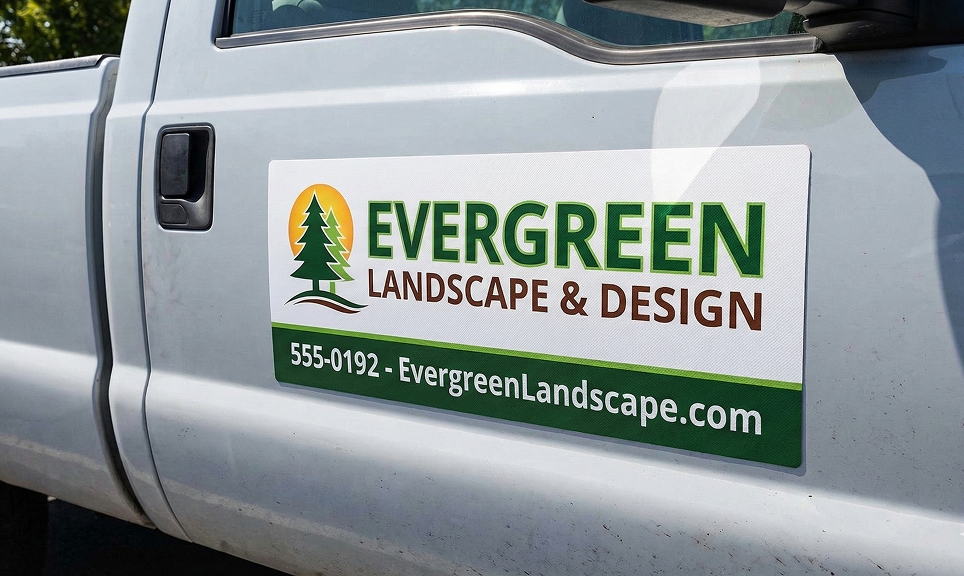
SignHop helps you get free quotes from vetted sign shops in your area.
Ever wonder why some businesses stick magnets on their trucks while others go with full vinyl wraps?
The answer usually comes down to how they use their vehicles and what they are trying to spend.
When Car Magnets Actually Work
Car magnets make sense in a few specific situations.
First, if you share a vehicle between multiple employees or family members, magnets win. You pull them off when your spouse needs the car for grocery runs, and stick them back on when your crew heads to a job site. With vinyl lettering, that is not happening without a costly removal and reapplication.
Second, if you are testing a market or running a short-term promotion, magnets are the cheaper option. A $100 magnet versus a $500 vinyl wrap for a three-month campaign? The math is obvious.
Third, if you park in areas where permanent signage might violate local ordinances or property rules, magnets give you flexibility. Some HOA communities and apartment complexes frown on painted business logos, but a removable magnet usually slips under the radar.
The typical car magnet runs about $50 to $125 for a standard 12"x24" size. That is cheap enough that you can replace them when they fade or crack, which usually happens after two to three years of daily use.
When Vinyl Is the Better Investment
Here is the honest part most sign companies will not tell you: vinyl usually beats magnets for most business vehicles.
The big issue is coverage and visibility. A magnet on a panel van covers maybe 10% of the rear surface. A vinyl decal or full wrap turns your vehicle into a moving billboard that people actually notice. If your business depends on driving awareness, that difference matters.
Vinyl also lasts longer. Quality cast vinyl on a properly prepped surface holds up for five to seven years with minimal fading. Magnets degrade faster, especially in hot sun or freezing temperatures. We have seen magnets start curling at the edges after one Phoenix summer.
Consider this real scenario from one of our customers: a plumbing company ran magnets on their trucks for three years, then switched to rear vinyl logos. Their callback rate from drive-by traffic doubled within six months. The magnets had been working, but the vinyl was impossible to miss.
The Practical Differences That Matter
Car magnets weigh between one and two pounds. They require a smooth, clean metal surface to stick properly. They will not work on fiberglass, plastic, or curved panels. You also have to remove them regularly to clean underneath, or moisture and debris will damage your paint.
Vinyl applies directly to the vehicle surface, which means it works on any body type. It does require professional installation if you want it to look right, especially around curves and edges. The cost ranges from $150 for a simple rear logo to $2,500 or more for a full vehicle wrap.
One more thing: magnets can fly off at highway speeds if they are not secured properly. We have heard stories of magnets launching into the car behind them. That is a liability issue you do not want to deal with.
What You Should Actually Do
If you use your personal vehicle for occasional side work and need something temporary, magnets are fine. If you run a business where your vehicle is your primary marketing tool, spend the extra money on vinyl.
The one exception is fleet vehicles that need to stay unmarked between jobs. In that case, magnets give you the flexibility to go incognito when you are off the clock.
Either way, make sure your vehicle surface is clean before applying anything. Wash with soap and water, let it dry, and skip the automotive wax. Wax makes both magnets and vinyl slip and fail faster.
Need help figuring out what works for your situation? Check out our car magnet and vinyl options at SignHop.com. We will help you pick what fits your budget and your vehicle.
SignHop helps you get free quotes from vetted sign shops in your area.